
Beyond 'Grave Concern'
Taliban’s rule, UN’s ritual

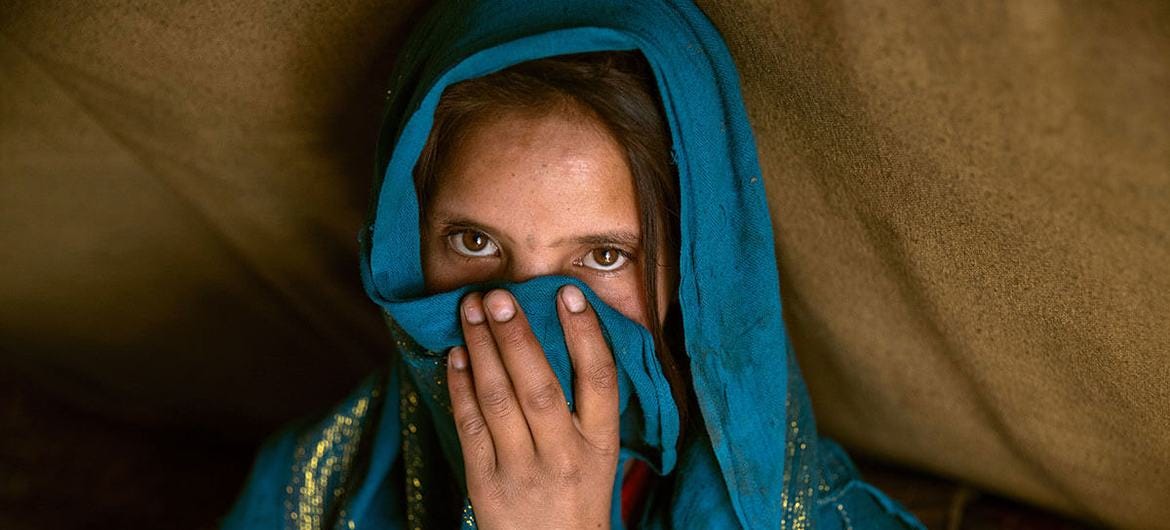
The Taliban have once again demonstrated their unwavering commitment to one of Islam’s most cherished traditions: policing women.
Last weekend, at least 30 women in Herat were arrested for allegedly violating Taliban dress decrees. According to UN experts, women are required to wear a burka or chador with a face covering and are forbidden from using perfume. In a country struggling with poverty, repression, and economic hardship, the authorities remain focused on the truly critical issues: making sure women are sufficiently covered and insufficiently scented.
The response from the international community was swift and decisive: the United Nations expressed “grave concern.”
One can only imagine the panic in Taliban headquarters. Taliban leaders immediately paused their arrests, reflected on their actions, and considered a new path forward. Just kidding. They carried on as usual.
For years, the world has watched Afghan women stripped of one right after another. Girls are denied education. Women are pushed out of public life. Those who protest are beaten, imprisoned, or worse.
In response, the UN expresses concern. Again.
At some point, one begins to suspect that “grave concern” is not a policy. It is a ritual.
Imagine if this had been the international response to Nazi Germany’s persecution of Jews.
Imagine the UN existed in 1938. “We are gravely concerned by reports of Jews being deprived of rights.”
Months later: “We are deeply concerned by further restrictions.”
Later: “We strongly urge de-escalation.”
All while carefully avoiding condemnation of Nazi ideology itself and refusing to challenge the regime implementing it.
History would rightly judge such a response as moral cowardice. Yet this is remarkably similar to what we witness today.
The uncomfortable reality is that the Afghanistan cases do not emerge from nowhere. They are the predictable result of a system in which Islam governs a country, grants religious authorities control over every aspect of life, and places women in a permanently subordinate position.
Condemning individual arrests while refusing to discuss the religious framework behind them is like condemning smoke while refusing to acknowledge the fire.
Likewise, condemning Taliban actions while treating the Taliban regime as a permanent and legitimate authority misses the central issue. The regime itself is the machinery of oppression. The arrests, beatings, and restrictions are not bugs in the system. They are the system.
If a religion repeatedly produces the same outcomes wherever it gains unchecked power, then it deserves scrutiny and criticism. Which will never happen at the UN, given the large number of Muslim-majority member states.
This world is doomed.
***
👉 If this article resonates – buy us a coffee.
Article 83 of 100
This piece is part of the 100 Coffees for 100 Articles campaign. Buy us a coffee to sponsor the next one. ☕
Your support goes toward building our future website.
I am in agreement with this article. It actually covers two issues, religion that dictates government policy and the oppression of women. If one pays attention to the current situation in the U.S. we are headed down this road. Why are men so afraid of women?
Christopher Hitchens said it best. “Religion poisons everything “