
Religion as Malware
Ideas that refuse to be uninstalled

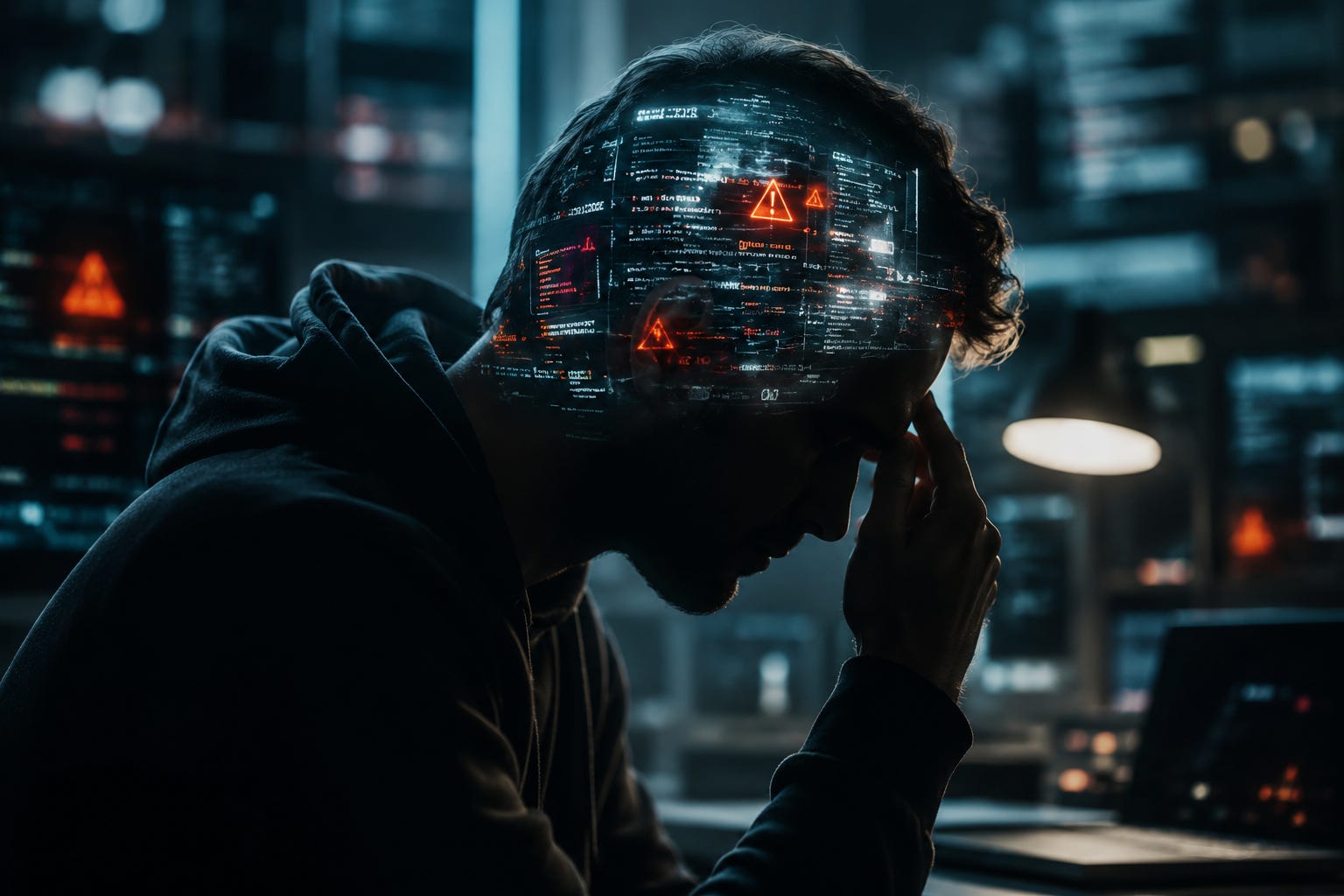
Our brain is an extraordinary biological computer. Its operating system is built through experience. It can learn languages, solve problems, adapt to new information, and continuously update its understanding of reality.
But before most systems become capable of evaluating information critically, malware is installed. The malware is called Religion.
Unlike ordinary applications, religious malware is rarely downloaded voluntarily. In most cases, it is installed by parents, relatives, schools, and surrounding culture during the earliest stages of system development. The user typically has no opportunity to compare competing versions before installation.
Religious malware frequently modifies core operating instructions. Instead of encouraging evidence-based reasoning, it may replace certain cognitive functions with faith-based shortcuts. Questions that would normally trigger investigation are redirected toward predetermined answers. Curiosity is not always disabled, but it is often confined to approved areas.
Such software tends to resist removal. Most programs can be uninstalled with relative ease. Religious beliefs, however, are often protected by emotional locks, social penalties, and fear-based security systems. Users may be warned that deleting the program could result in eternal punishment, family rejection, community exclusion, or moral collapse.
Religious malware does not merely occupy storage space. It actively protects itself from detection. Critical examination may be labeled sinful. Doubt may be classified as a personal defect rather than a diagnostic tool. Competing ideas are treated as threats rather than alternative explanations. The malware teaches users to distrust any process that might expose flaws in its own code.
The program also consumes significant processing power. Countless hours are spent on rituals, prayers, ceremonies, doctrinal debates, and attempts to reconcile ancient texts with modern knowledge. A substantial portion of the brain’s resources may be dedicated to maintaining beliefs that cannot be independently verified.
Religious malware is prone to generating false alerts. Invisible demons. Divine punishments. Cosmic surveillance. Eternal torture. It fills the system with warnings about threats that cannot be detected outside the software itself.
“Warning: Unauthorized thought detected.”
“Warning: Forbidden desire detected.”
“Warning: Doubt detected.”
The user learns to monitor and censor their own processes continuously.
This malware often transforms infected systems into distributors. Users are encouraged – sometimes required – to install the same software in other minds. Children, friends, neighbors, and strangers become targets for replication. The program spreads from brain to brain, generation after generation, creating a vast self-replicating network.
Some versions contain an especially dangerous feature: hostility toward competing installations. Users may be taught that anyone running a different version of the software – or no religious software at all – is misguided, immoral, dangerous, or deserving of punishment.
Religious malware can also interfere with legitimate applications. Scientific discoveries, ethical progress, and social reforms have repeatedly encountered resistance from religious institutions. Like outdated legacy code, ancient doctrines sometimes conflict with newly available data, forcing users to choose between evidence and tradition.
Of course, not every infected system suffers severe damage. Many users disable the most harmful functions, ignore problematic commands, or heavily modify the original package. Some retain only the comforting features while rejecting the rest. When people claim religious software improves their lives, they often mean the customized version they personally edited – not the original package as installed.
The ultimate difference between a healthy operating system and a compromised one is simple: a healthy system welcomes testing. It does not fear inspection. It does not require blind trust. It does not punish users for asking how it works.
So before trusting any program with your mind, ask a simpler question: who installed it, and why?
Not every idea deserves administrator privileges.
***
👉 This project exists because of you. If the article resonates – restack it and buy us a coffee.
Article 79 of 100
This piece is part of the 100 Coffees for 100 Articles campaign. Buy us a coffee to sponsor the next one. ☕ Your support goes toward building our future website.
It took me 50 years to fight through the malware my parents installed, goddamn it.
Brilliant modern framing of an old truth! As with any malware, some is more damaging than others.